Author: karimontgomery1
Tokens of Appreciation for Teachers and Staff
There is so much power in showing gratitude! Every idea curated here has been shared openly through multiple Facebook Groups that I am fortunate to be a member of, as well as multiple searches in the land of Google. Enclosed you will find the stories or poems that are written by amazing authors, and ideas for tokens that might go alongside.
I have included links where possible for purchase if you are interested. I am not affiliated with any of the items or authors, the credit is all theirs. My contribution is to the art and organization. Whether you use these as part of a year long theme, or as a token of appreciation, my goal is simply to create one place to collect all these amazing ideas!
Thank you for putting goodness out into the world.
Empowering Our Educators: Harnessing Teacher Evaluations and Feedback for Collaborative Growth

In today’s schools, teacher evaluations need to become more than just a checklist or a score at the end of the year. Whether your district uses Marzano, Danielson, the CEL 5D+ Framework, or another tool; when they’re done thoughtfully, evaluations and feedback can be powerful tools for growth—helping teachers learn from one another, strengthening teamwork, and creating a culture where everyone is working toward the same goal: student success.
When I reflect on my own evaluations as a teacher, it often felt like the eval was a one-way street. My principal would come in and observe, rate my performance and then quickly move on. As a proficient teacher, feedback was often a compliment instead of offering an opportunity for continued growth. At their best, feedback from an evaluator should feel like validation of what a teacher is doing well, and a nugget of wisdom on how they can get even better.
At their worst, evaluations can leave teachers feeling judged rather than supported. Fortunately, that mindset is shifting. More school leaders are recognizing that feedback works best when it’s about growth, not “gotcha” moments. This shift supports the idea of collective efficacy—the shared belief that, together, educators can truly make a difference in students’ learning.
When evaluations focus on growth, they naturally encourage collaboration. Teachers feel more comfortable having honest conversations about what’s working and what isn’t. Peer observations, shared feedback, and reflective discussions give educators the chance to learn from each other’s strengths and experiences. Instead of working in isolation, teachers begin to see themselves as part of a team, swapping ideas, sharing resources, and tackling challenges together.
Trust plays a huge role in making this work. When the evaluation process is transparent, fair, and supportive, teachers are much more likely to buy in. Feeling trusted makes it easier to accept feedback, try new strategies, and take ownership of professional growth. In a supportive environment, feedback isn’t something to fear—it’s something to learn from.
School leaders who treat evaluations as opportunities for learning create benefits that reach far beyond individual classrooms. As teachers collaborate and reflect together, the entire school gains a deeper understanding of effective teaching practices. This shared knowledge leads to stronger instruction and, ultimately, better learning experiences for students.
Perhaps most importantly, collaborative evaluation systems help build collective efficacy. When teachers support one another and grow together, they start to believe more strongly in their shared ability to impact student outcomes. Research consistently shows that schools with high collective efficacy see better student achievement—and that’s a win for everyone.
When thinking about impact, teacher evaluations are most powerful when they’re about people, not paperwork. When used as tools for collaboration, reflection, and growth, teacher evaluations help create a community of educators who are learning together and supporting one another. By embracing feedback as a shared journey rather than a solo judgment, school leaders can build stronger teams, better teaching practices, and brighter futures for their students.
Free Valentine Printable for Principals to give to Teachers
Three Surprising Books to Grow Your Educational Leadership
There are so many book suggestions about educational leadership. In my leadership journey, I have found that some non-traditional titles have really helped me grow as a leader. Choosing only three books to blog about was a tough ask. There are so many authors and books that have changed who I am as a person, an educator and as a leader. If you are like me, and time is limited, here are three of my favorites from outside of the field of education, that impacted my growth and evolution as a school leader.
Atomic Habits: An Easy and Proven Way to Build Good Habits & Break Bad Ones by James Clear

This book is impactful for leaders in many ways, but I found it powerful because it reframes improvement as a process built on small, intentional actions rather than sweeping initiatives. James Clear’s focus on systems over goals aligns closely with the realities we experience in our schools, where sustainable change depends on consistent practices, shared habits, and a supportive culture. For educational leaders, this book offers practical insight into how modeling positive habits, shaping environments, and reinforcing incremental progress can lead to meaningful growth for staff, students, and the organization as a whole.
Buddha’s Brain: The Practical Neuroscience of Happiness, Love, and Wisdom: An Easy and Proven Way to Build Good Habits by Rick Hanson PhD and Richard Mendius MD
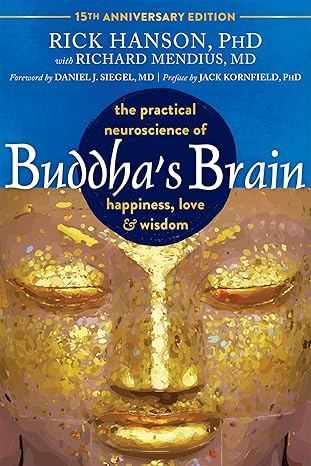
Buddha’s Brain: The Practical Neuroscience of Happiness, Love, and Wisdom is timely and powerful for school leaders. In the age of study of teacher resiliency, this book resonates because it connects brain science with the daily work of leading people through stress, change, and complexity. This book helped me to understand better how attention and repeated experiences shape the brain, reinforcing the importance of mindful leadership, emotional regulation, and intentional relationship-building in schools. For school leaders, it offers a practical reminder that cultivating calm, compassion, and resilience is not just personal work, but a strategic investment in healthier school cultures and more effective decision-making.
Drive: The Surprising Truth About What Motivates Us by Daniel Pink
Another book that is not specifically about education, however, Pink’s exploration of motivation is highly relevant for school leaders. This book challenged me to think beyond our traditional notions of rewards and punishments, as it revisits the concept of intrinsic motivation. If you have found yourself questioning reward systems for behavior, this book can help school leaders apply the principles learned to both student engagement and staff management, to support the creation of environments that foster autonomy, mastery, and purpose.
BONUS BOOK SUGGESTION:
Dare to Lead by Brené Brown
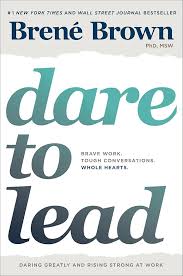
OK…I couldn’t close this post without mentioning this book. Brene Brown’s research on vulnerability, courage, and leadership is particularly relevant for school leaders as we navigate complex emotional landscapes. This book helped me focus on developing brave leadership, fostering trust, and creating a culture of belonging. School leaders will find valuable insights for personal growth and for nurturing emotionally intelligent school communities. Honestly, a must read for so many reasons.
 Learning, Leading, Living