There are so many book suggestions about educational leadership. In my leadership journey, I have found that some non-traditional titles have really helped me grow as a leader. Choosing only three books to blog about was a tough ask. There are so many authors and books that have changed who I am as a person, an educator and as a leader. If you are like me, and time is limited, here are three of my favorites from outside of the field of education, that impacted my growth and evolution as a school leader.
Atomic Habits: An Easy and Proven Way to Build Good Habits & Break Bad Ones by James Clear
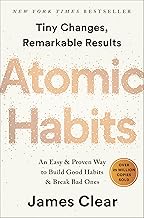
This book is impactful for leaders in many ways, but I found it powerful because it reframes improvement as a process built on small, intentional actions rather than sweeping initiatives. James Clear’s focus on systems over goals aligns closely with the realities we experience in our schools, where sustainable change depends on consistent practices, shared habits, and a supportive culture. For educational leaders, this book offers practical insight into how modeling positive habits, shaping environments, and reinforcing incremental progress can lead to meaningful growth for staff, students, and the organization as a whole.
Buddha’s Brain: The Practical Neuroscience of Happiness, Love, and Wisdom: An Easy and Proven Way to Build Good Habits by Rick Hanson PhD and Richard Mendius MD
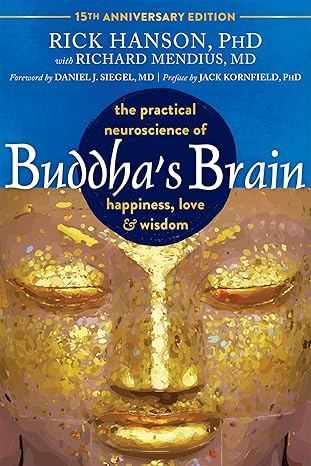
Buddha’s Brain: The Practical Neuroscience of Happiness, Love, and Wisdom is timely and powerful for school leaders. In the age of study of teacher resiliency, this book resonates because it connects brain science with the daily work of leading people through stress, change, and complexity. This book helped me to understand better how attention and repeated experiences shape the brain, reinforcing the importance of mindful leadership, emotional regulation, and intentional relationship-building in schools. For school leaders, it offers a practical reminder that cultivating calm, compassion, and resilience is not just personal work, but a strategic investment in healthier school cultures and more effective decision-making.
Drive: The Surprising Truth About What Motivates Us by Daniel Pink
Another book that is not specifically about education, however, Pink’s exploration of motivation is highly relevant for school leaders. This book challenged me to think beyond our traditional notions of rewards and punishments, as it revisits the concept of intrinsic motivation. If you have found yourself questioning reward systems for behavior, this book can help school leaders apply the principles learned to both student engagement and staff management, to support the creation of environments that foster autonomy, mastery, and purpose.
BONUS BOOK SUGGESTION:
Dare to Lead by Brené Brown
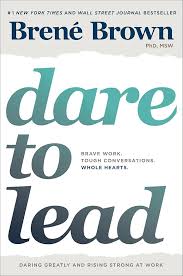
OK…I couldn’t close this post without mentioning this book. Brene Brown’s research on vulnerability, courage, and leadership is particularly relevant for school leaders as we navigate complex emotional landscapes. This book helped me focus on developing brave leadership, fostering trust, and creating a culture of belonging. School leaders will find valuable insights for personal growth and for nurturing emotionally intelligent school communities. Honestly, a must read for so many reasons.
 Learning, Leading, Living